
Simplify FRCPath Prep with Virology Notes frcpath virology notes frcpath
Preparing for the FRCPath Medical Microbiology exams can feel overwhelming. Virology, in particular, covers a vast range of topics that require clear understanding and recall. We know how challenging it is to balance clinical duties with exam preparation. That’s why we recommend focusing on concise, high-yield virology notes tailored specifically for the FRCPath syllabus. These notes help you grasp essential concepts quickly and efficiently.
Using well-structured virology notes frcpath allows you to break down complex topics into manageable sections. This approach saves time and reduces stress. You can focus on what matters most and build confidence as you progress. Let’s explore how to make the most of your virology revision with practical tips and strategies.
Why Use Virology Notes frcpath for Exam Preparation?
Virology is a core component of the FRCPath Medical Microbiology exams. It covers viruses’ biology, pathogenesis, diagnosis, and treatment. Without a solid grasp of these areas, you risk losing valuable marks. Using targeted virology notes frcpath helps you:
Focus on high-yield topics: Concentrate on viruses and concepts frequently tested.
Save time: Avoid wading through lengthy textbooks or irrelevant details.
Improve retention: Short, clear notes make memorisation easier.
Build confidence: Knowing you have covered key points boosts exam readiness.
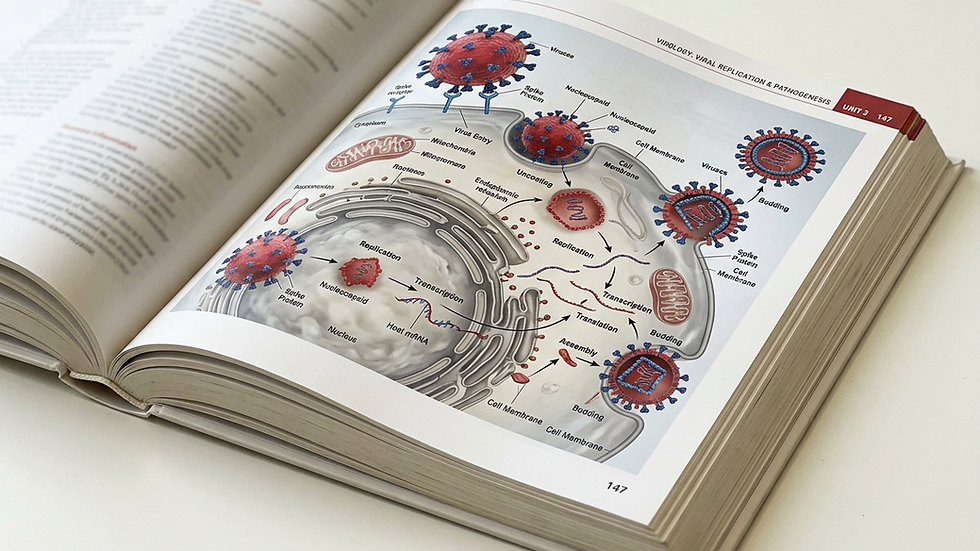
For example, understanding the differences between DNA and RNA viruses, their replication cycles, and common diagnostic methods is crucial. Notes that highlight these points with diagrams and bullet lists make revision straightforward.
How to Structure Your Virology Notes frcpath
Effective notes are not just about content but also about organisation. Here’s a simple structure to follow:
Virus Classification
Group viruses by family, genome type, and clinical relevance. Use tables for quick reference.
Pathogenesis and Clinical Syndromes
Summarise how viruses cause disease and the typical clinical presentations.
Diagnostic Techniques
Include key laboratory methods such as PCR, serology, and culture.
Treatment and Prevention
List antiviral drugs, vaccines, and infection control measures.
Important Case Studies or Examples
Briefly describe classic cases or outbreaks relevant to exam questions.
Use bullet points and short sentences. Avoid jargon unless it is exam-specific terminology. Colour coding or highlighting can help differentiate sections and improve memory.
Tips for Maximising Your Revision with frcpath virology high yield notes
To get the best from your notes, try these practical strategies:
Active Recall: Test yourself regularly on key facts. Cover the notes and try to recall information aloud or on paper.
Spaced Repetition: Review notes at increasing intervals to strengthen long-term memory.
Mind Maps: Create visual summaries linking viruses, symptoms, and diagnostics.
Practice Questions: Apply your knowledge to past exam questions or mock tests.
Group Study: Discuss tricky topics with peers to deepen understanding.
Remember, quality beats quantity. Focus on mastering core concepts rather than memorising every detail. The frcpath virology high yield notes are designed to help you do just that.

Common Pitfalls to Avoid When Studying Virology
Many candidates struggle with virology because they:
Overload on information: Trying to learn everything leads to confusion.
Ignore clinical relevance: Failing to link virology to patient care reduces exam performance.
Neglect diagnostic methods: Understanding lab tests is essential for practical questions.
Skip revision planning: Last-minute cramming is ineffective.
Avoid these by sticking to your notes, focusing on exam-relevant material, and revising consistently. Use your notes as a roadmap, not just a reading list.
Making Virology Revision Manageable and Enjoyable
Virology doesn’t have to be daunting. Break your study sessions into short, focused blocks. Use diagrams and flowcharts to visualise viral life cycles. Reward yourself after completing topics to stay motivated.
Keep a positive mindset. Every small step brings you closer to your goal. Remember, you are building expertise that will serve you well beyond the exam room.
By using concise, well-organised virology notes frcpath, you simplify your revision and boost your confidence. Focus on high-yield topics, apply active learning techniques, and avoid common mistakes. With the right approach, you can master virology and excel in your FRCPath Medical Microbiology exams. Keep going - your consultant career awaits!


Comments